What insurance do I need to do tattoo removal in Australia? I’m going to walk you through the policies you need before you even think about firing up a laser tattoo removal machine. I’m Olha Po – cosmetic tattoo artist, removal specialist and founder of Face Figurati here in Melbourne – and what I’ve learned over nearly a decade in this game is that insurance isn’t just something you consider, it’s essential – for you, your clients, and your business.
Typically it’s new practitioners who first learn about insurance requirements in their tattoo removal courses, because good trainers always drill home the importance of legal responsibilities as much as laser technique.
Why Multiple Policies Are Needed for Removal
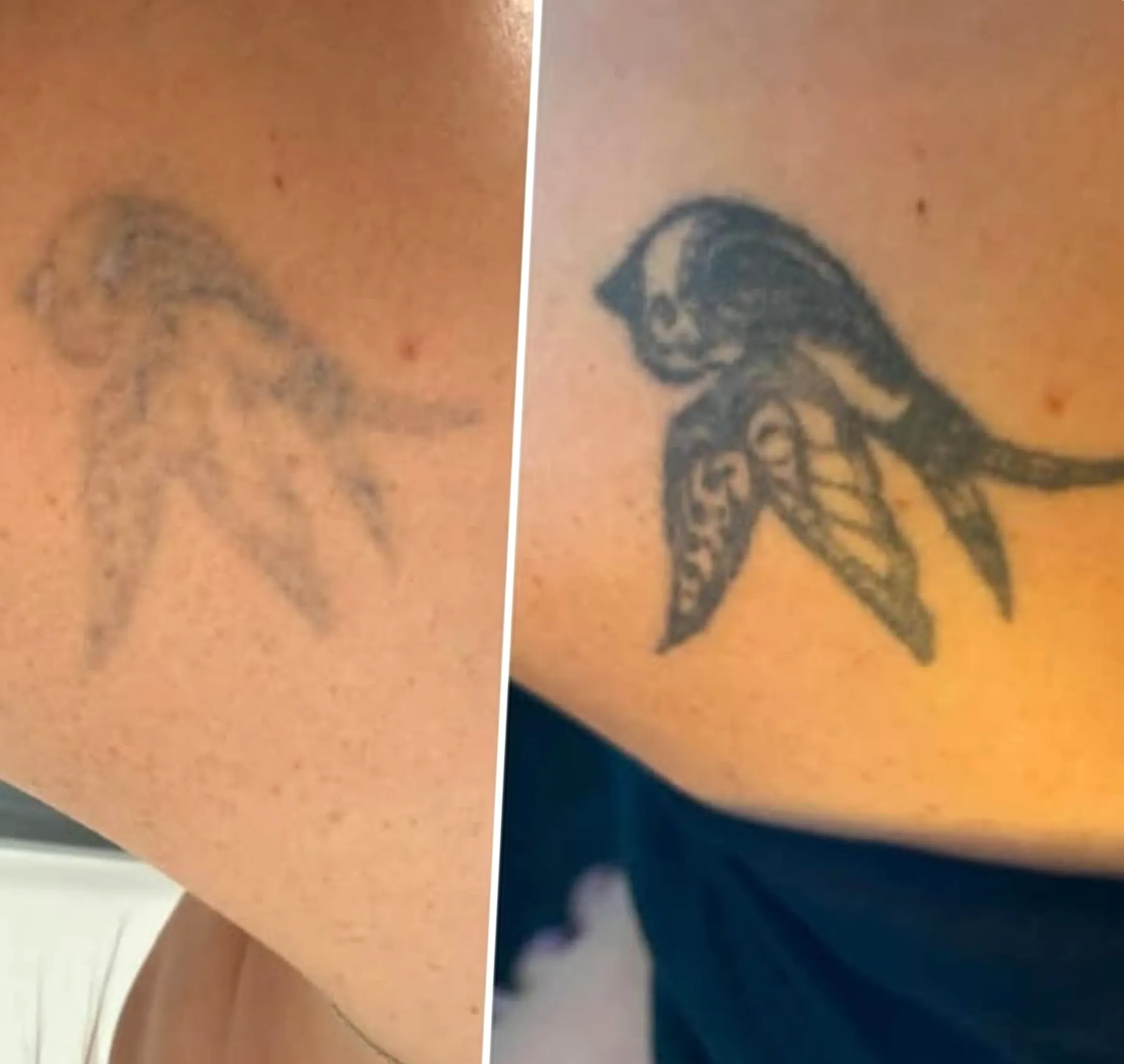
Getting set up for tattoo removal in Australia isn’t just about buying a machine and booking clients – you’ve got heat, skin, lymphatic pathways, medical histories, old tattoos, permanent makeup, and clients who’ve had previous surgery to think about. Your insurance needs to reflect the real risks you’re taking on.
Most new practitioners assume public liability is enough. But it isn’t. You need really strong professional liability protection, solid products liability cover, and policies that acknowledge your infection control and laser safety practices.
I meet a lot of students who completed a laser hair removal course first and only realised that tattoo removal needs a completely different insurance setup because the risks and rules aren’t the same
Key Insurance Types You Need in Australia
Running a tattoo removal service means dealing with real clinical risk, so the insurance you carry is just as important as your laser training. These core policies protect your clients, your business and your income if anything unexpected happens in the studio.
Professional Indemnity Insurance
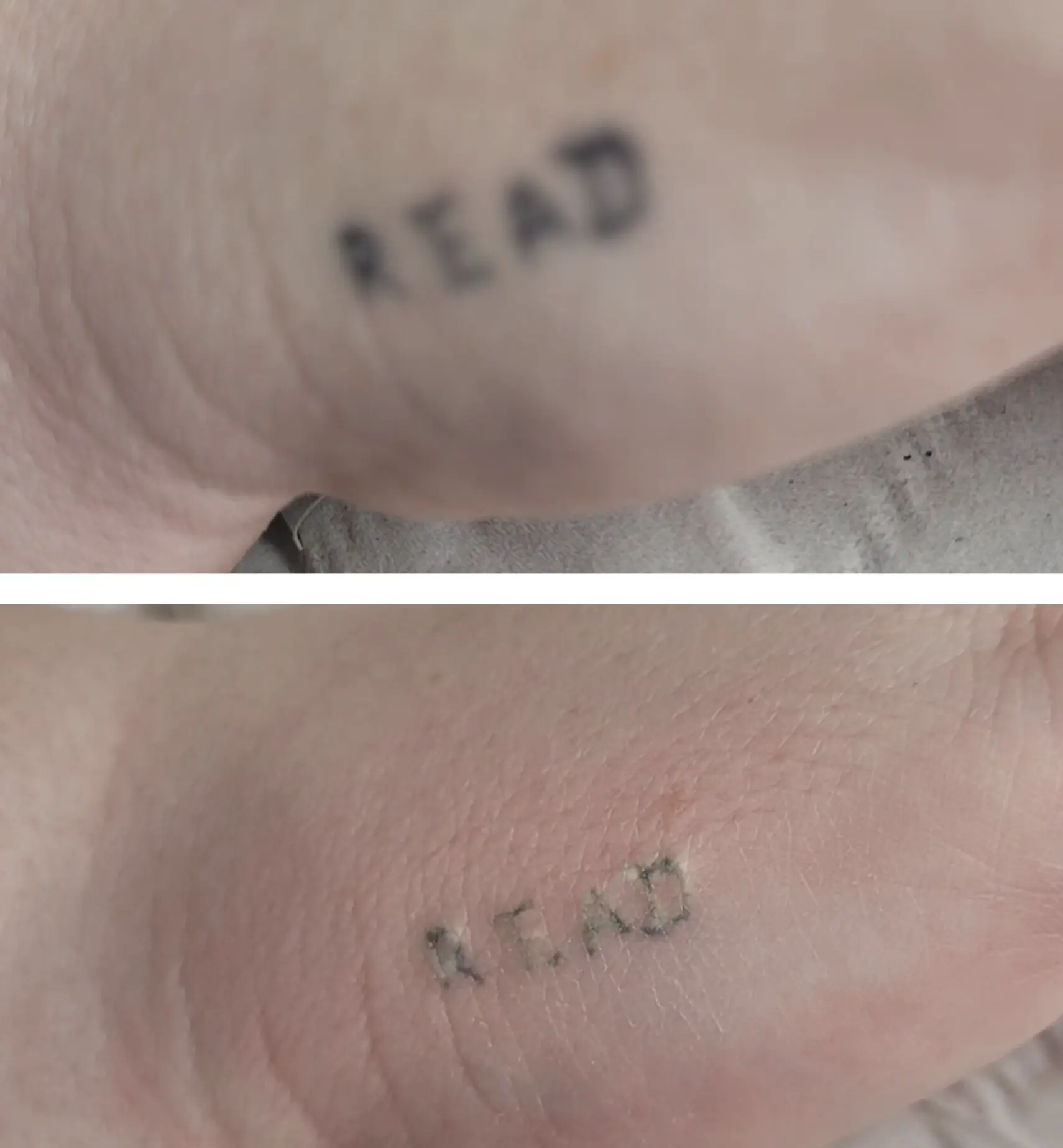
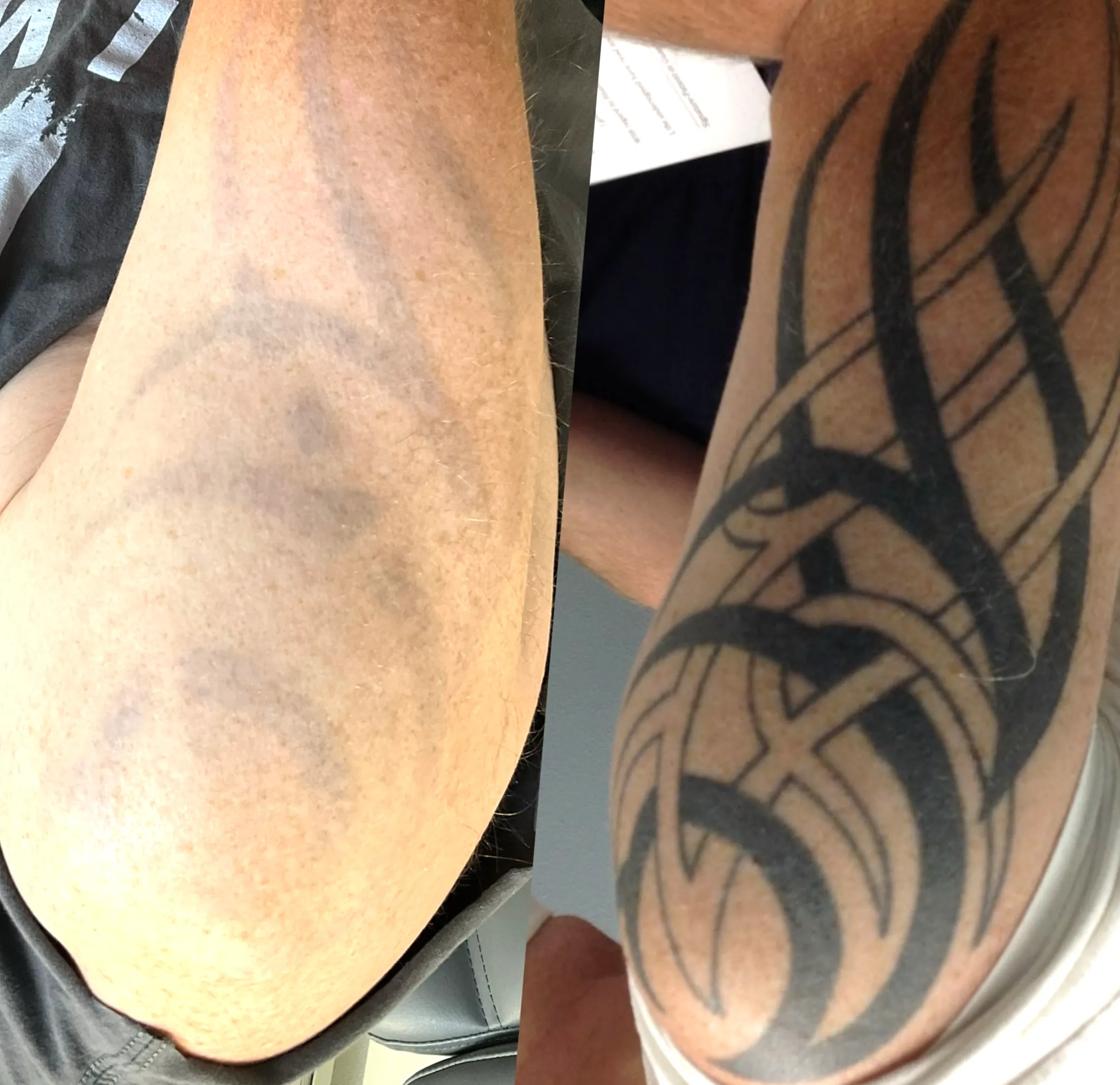
Professional indemnity kicks in if a client says your treatment or advice caused them harm. Tattoo removal includes, burns, changes to the pigment, bad reactions to old cosmetic tattoos, or poor healing, especially if you’re working without proper medical supervision.
If you’re using a Q-switched laser, then insurers are going to expect you to have done a recognised Laser Safety Course and maybe even completed supervised hours with a trainer or Registered Nurse, depending on where you live.
The more advanced tattoo removal courses are going to teach you how to document client reactions properly, which insurers really appreciate when there are any unexpected healing outcomes.
Public Liability Insurance
This one covers general accidents on your premises – clients tripping, slipping, reacting to cleaning stuff or equipment – and is essential whether you’re working on your own or part of a clinic that does hair removal, skin rejuvenation or other treatments.
If you’ve taken a cosmetic tattoo course before, you’ll know that you need public liability and professional indemnity cover – and that applies just as strongly to laser removal.
Product Liability Insurance
Since you’re giving clients aftercare like balms and antibacterial products, then you need coverage in case someone reacts badly to what you give them. Insurers view this as just part of the normal risks of doing cosmetic tattoo and tattoo removal work.
A Quick Table To Make This Crystal Clear
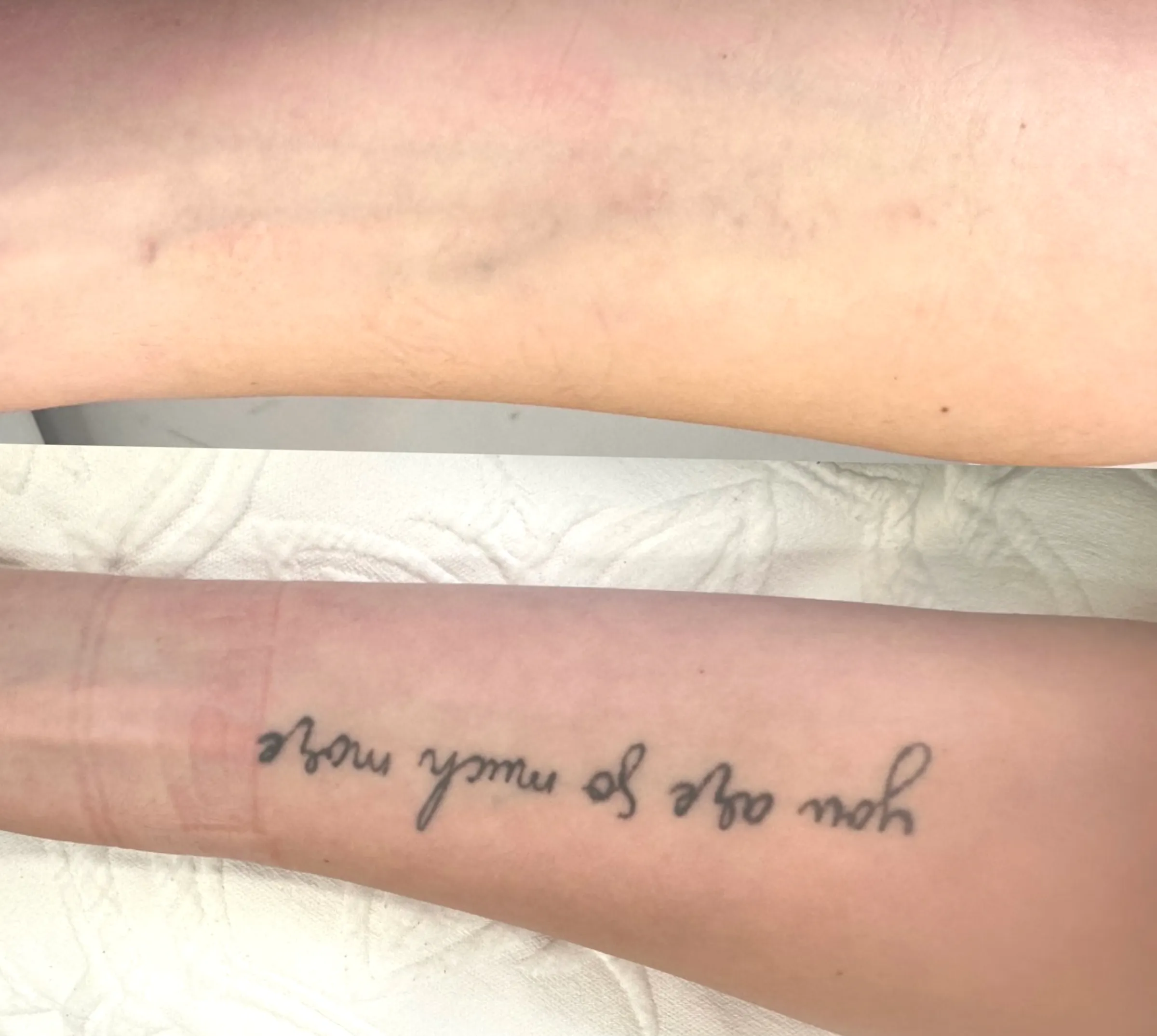
| Insurance Type | What It Covers | Why You Need It For Tattoo Removal |
|---|---|---|
| Professional Indemnity | Treatment of injuries, burns, and pigment changes | Required for laser tattoo removal and cosmetic tattoo corrections |
| Public Liability | On-site accidents | Protects you in a salon or clinic setting |
| Products Liability | Aftercare reactions | You provide products — you’re responsible |
| Equipment Insurance | Laser damage/theft | Q-switched lasers are expensive |
| Business Pack | Data, income, property | Useful for clinics offering hair removal or cosmetic tattoo |
Students who come from cosmetic tattoo courses are usually super confident in their transition to removal work because they already know the ropes when it comes to keeping things super clean, stopping infections in their tracks, and minimising risks.
Do You Need Insurance For Tattoo Removal?
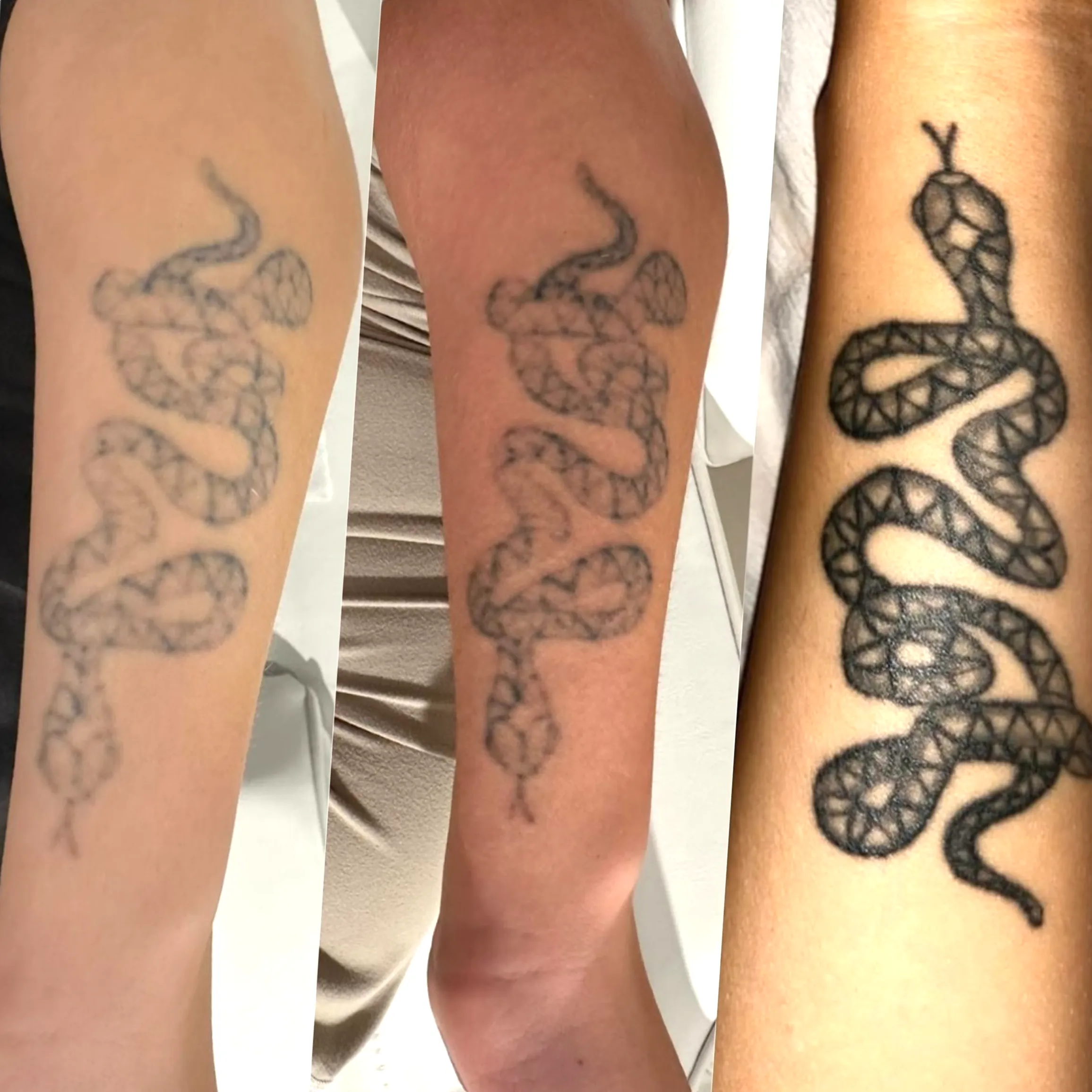
There isn’t a law that says you have to have insurance, but the reality is:
- Councils expect to see proof of insurance for skin-piercing kind of services
- Landlords are going to want to see some proof of insurance
- Most insurers are going to want to see some evidence of training and how you keep things clean
- You just can’t run a laser tattoo removal service without insurance; it’s just not safe to do so
If you’re running a clinic that does laser hair removal or cosmetic tattoo corrections, insurers expect all those services to be all under one policy.
A Melbourne-Specific Reality Check
Melbourne’s weather is all over the place – windburn, blistering summers, cold snaps – and that really affects how well laser healing goes. Issues like hyperpigmentation, irritation, and dry skin can go from bad to worse in a heartbeat, which makes having professional indemnity insurance a whole lot more important.
When you’re dealing with people who have had permanent makeup, removal can be a right old challenge. Some people have old brow pigment that thinks it’s still in business after the laser hits it, or inks that suddenly start oxidising. Sometimes this isn’t the practitioner’s fault, but insurers still treat it like a treatment-gone-wrong scenario.
What Insurance Companies Typically Require From You
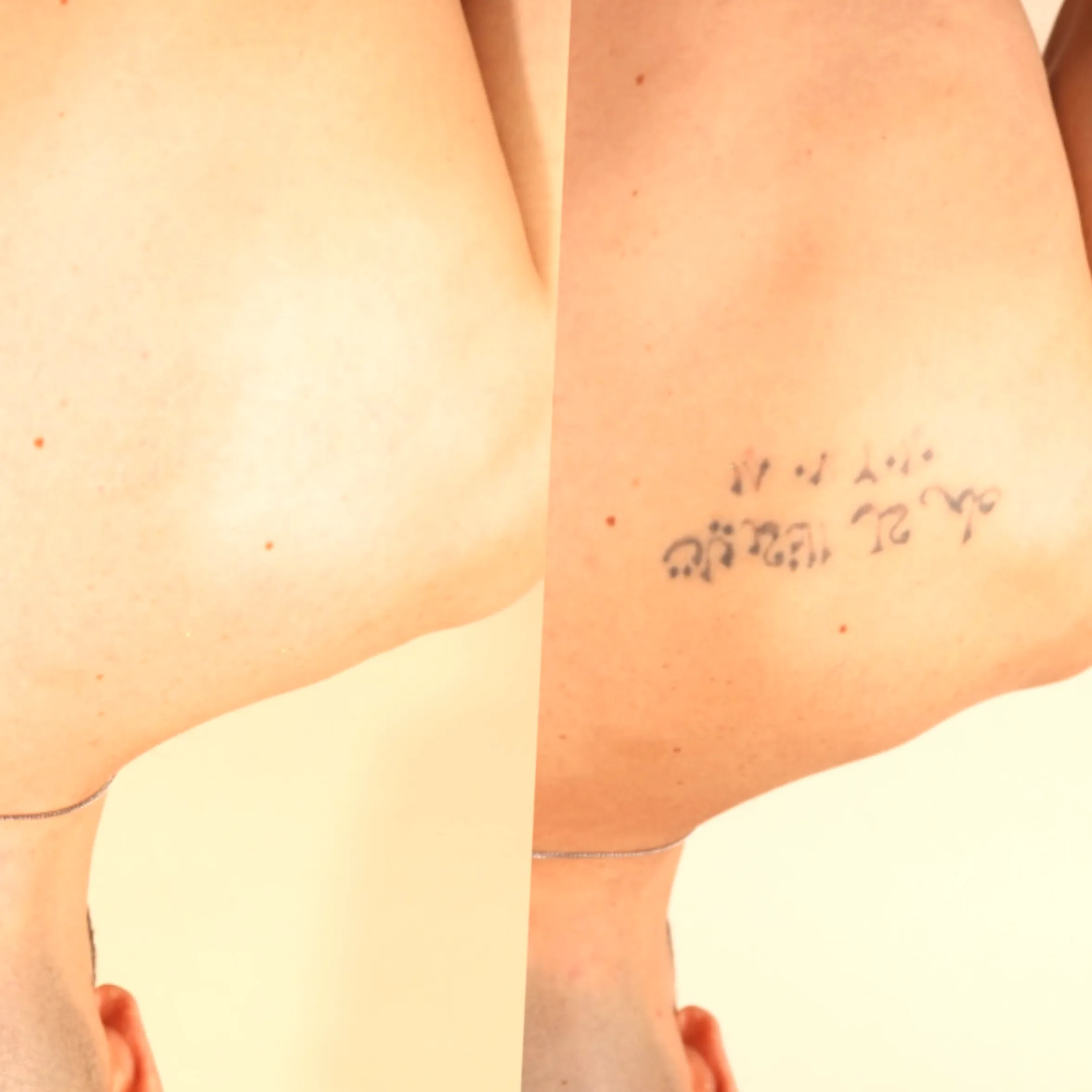
Before they’ll even think about giving you a tattoo removal policy, insurers will likely want to see things like:
- Your laser training certificates
- Some kind of proof that you’ve done a Laser Safety Course
- Evidence that you know how to keep things clean and prevent infections
- The make and model of your laser
- Details on how you handle consultations
- Whether you work under a doctor
- Whether you’re a registered nurse or have one on staff
Some policies also include medical malpractice insurance extensions, contract review services, investigation costs coverage, or a whistleblower hotline — particularly for clinics offering tattoo removal alongside cosmetic tattooing.
How Much Does Tattoo Removal Insurance Cost?
As of 2026, in Australia, you can expect to pay:
- Professional indemnity: ~$800–$2,500/year
- Public liability: often bundled
- Products liability: usually packaged with professional indemnity
- Equipment: $300–$1,200/year
- Business pack: $500–$1,500/year
Clinics that offer a range of extra services, like skin rejuvenation or cosmetic tattoo corrections, tend to be on the higher end of that scale.
Real Studio Scenario: When Insurance Saved A Practitioner
I know a practitioner who had a client with a cosmetic tattoo brow fade who they treated with a Q-switched laser. The client just ignored all the aftercare advice and went straight to a hot sauna, which isn’t great for laser-treated skin. But because this practitioner had professional indemnity, products liability and a solid business insurance pack, she had the backing of her insurer for the whole ordeal, including any medical care and the follow-up paperwork.
If she hadn’t had that sort of coverage, it would’ve been a huge financial hit for her.
Practical Tips For Choosing The Right Insurance
- Make sure you choose an insurer that specialises in the sort of coverage you need (like Salon Insurance in Australia).
- Don’t forget to declare all the services you offer – like tattoo removal – or you might find you’re not covered when you really need to be.
- Make sure your laser model is specified in your policy.
- Keep before and after photos of all your clients – it’s just good practice.
- Make sure you’ve got strong infection control and documentation in place.
- If you start offering a new service (like micropigmentation), make sure you update your policy.
Final Thoughts for Beginners
Tattoo removal is a rewarding career, but it’s not without its risks. Having the right mix of professional indemnity, public liability, products liability and equipment cover will help protect both you and your clients. If you’re still not sure which policies to go for – whether you’re just starting out with tattoo removal, cosmetic tattoo corrections or laser-based treatments – feel free to reach out.
At Cosmetic Tattoo Studio Melbourne Face Figurati with tattoo removal courses, we’re always happy to support new practitioners who are trying to build a safe, compliant and confident career in the industry – whether you’re just starting or looking to expand your services.
FAQ
Do I actually need to have insurance?
Not technically – but councils and landlords are going to want to know you’ve got it and clients might expect it too – especially when you’re working with lasers.
Will my hair removal insurance cover tattoo removal, too?
No, unfortunately not – laser hair removal and laser tattoo removal are treated as two separate things by insurers.
Do I need to have professional indemnity insurance for cosmetic tattoo corrections?
Absolutely – corrections are covered under cosmetic tattoo insurance, laser-treated and you’re going to need indemnity cover.
Will most insurers cover me even if I haven’t done a Laser Safety Course?
Most insurers are going to say no – some might even require you to have done supervised hours or have a registered nurse on hand.
Does my business insurance pack cover investigation costs?
More and more of the updated policies do – especially the ones specifically designed for salons that do tattoo removal.