When it comes to national parks in Australia, few places impress like Kakadu National Park. With its massive size, rich Aboriginal culture and incredible biodiversity, Kakadu is not just a destination – it’s an adventure of epic proportions. But is it really the biggest national park in the country?
How Big Is Kakadu National Park?
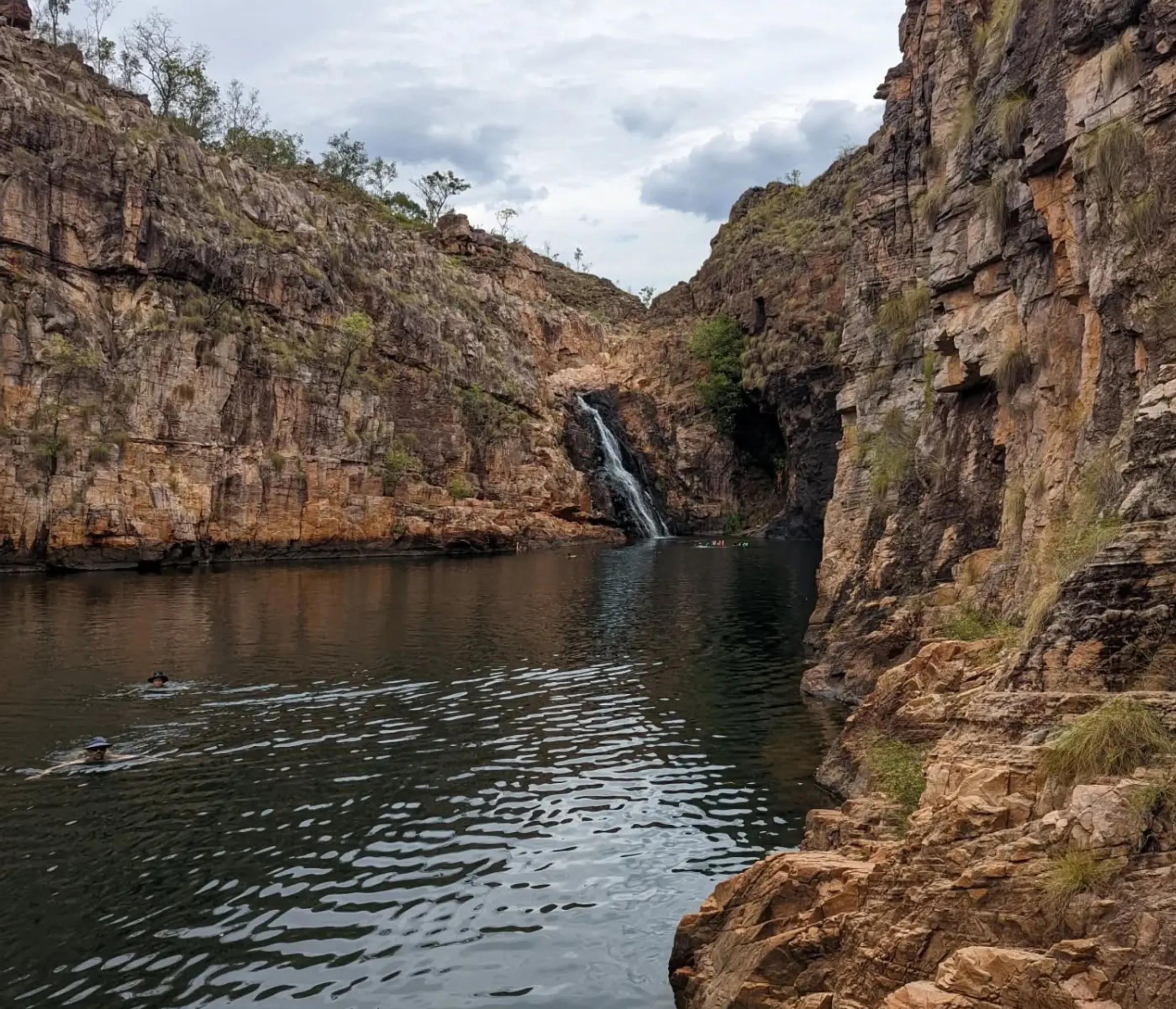
Kakadu National Park covers 19,804 square kilometres – Australia’s largest terrestrial national park. This vast area includes an intact landscape of lowland forests, coastal waters, wetlands, rock outcrops and fertile soils. Major rivers like the Alligator River, Mary River and Magela Creek flow through the park, into Yellow Water Billabong and other important waterways.
Managed by Parks Australia and the Traditional Owners, the park is entirely on Aboriginal land and has been home to Aboriginal people for tens of thousands of years.
For travellers doing Kakadu tour from Darwin, this massive region is a true immersion in different landscapes.
Is Kakadu the Biggest National Park in Australia?
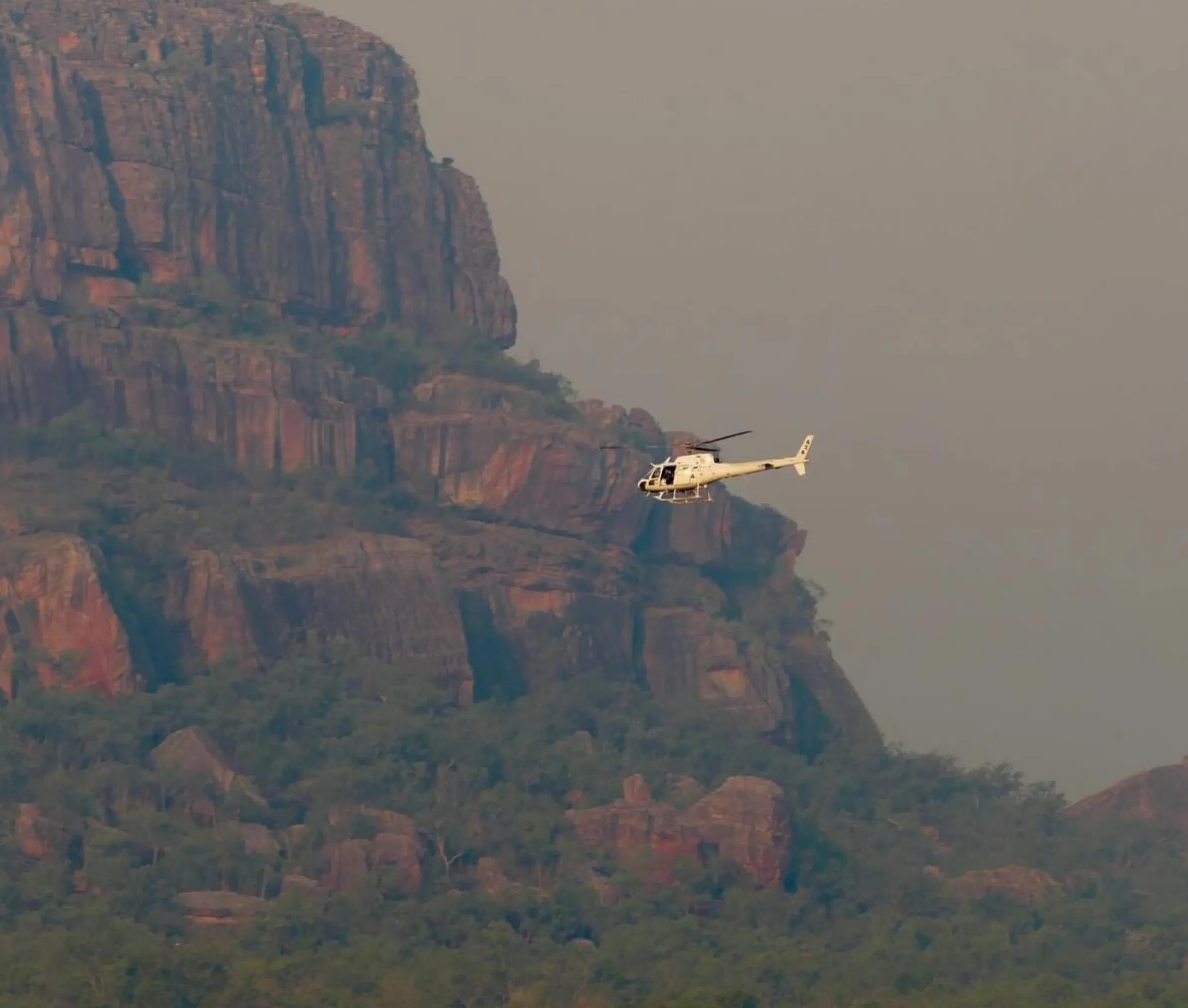
Yes. Kakadu National Park is the largest national park in Australia, covering 20,000 square kilometres. That’s bigger than many countries and U.S. states, and much bigger than other well known Australian parks like Gregory National Park and Uluru-Kata Tjuta National Park.
Wildlife Tours offer regional Kakadu National park tours that include its surrounding parks, so you can see all the Northern Territory’s iconic landscapes.
Why Size Matters in Kakadu
Ecological Diversity
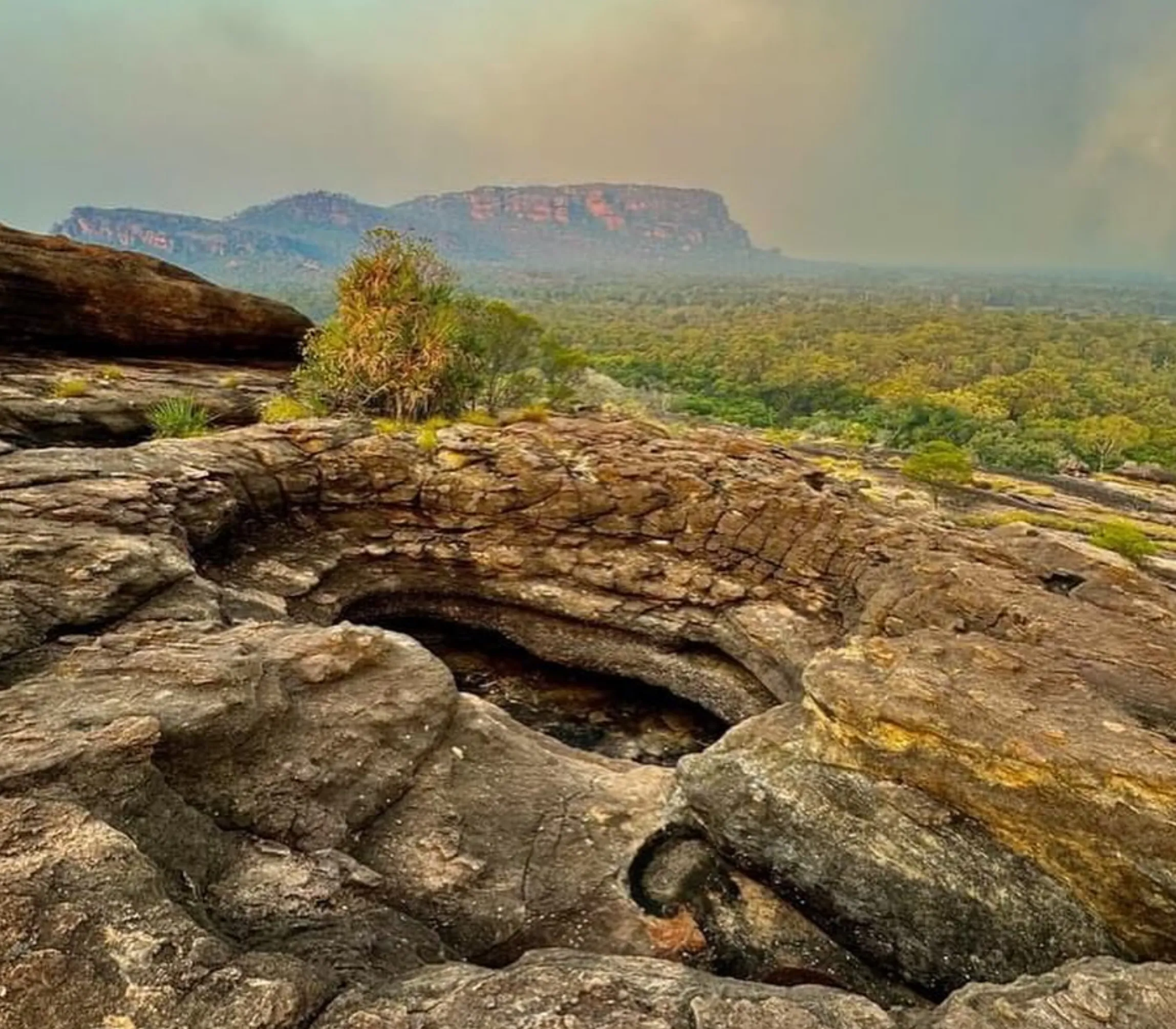
Kakadu’s size is home to one of the most diverse environments in the world:
- 280+ birds, many of which are native or migratory
- 75 mammals, 117 reptiles, 51 frogs, and thousands of insects
- Freshwater Crocodiles, Saltwater Crocodiles and other species of crocodile live icultural significancen Kakadu, especially in Cahills Crossing, Yellow Water and near Jim Jim Falls
- Rare and endemic plant species, including kapok trees, paper bark trees and the weird itchy tree
- Water-loving plants like water lilies, feature sedges and freshwater mangroves
These species rely on diverse micro-environments—from wet season billabongs and moist gorges to dry season floodplains and rock overhangs.
Cultural Landscape
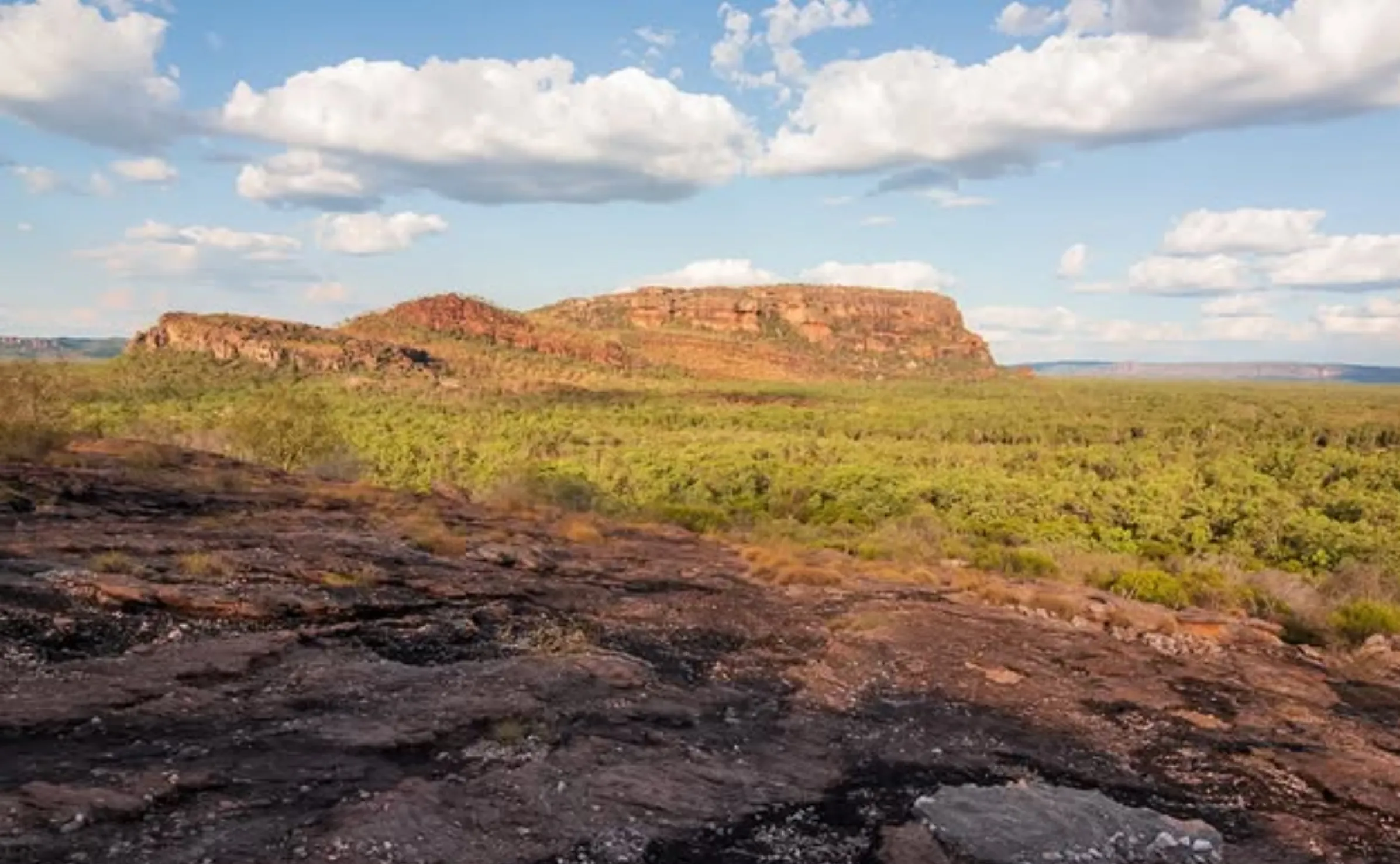
Kakadu is a living cultural landscape with over 5,000 Aboriginal rock art sites. These include big paintings, rock art styles and paintings from the 17th century, 19th century and even earlier.
Important rock art can be found in rock shelters and at places like Nourlangie Rock, where ancient stories—sometimes called magic-paintings—show daily life, spirituality and the connection between people and the land.
The area has been a mining camp, a mining boom and a land claim site. Today, it’s all about balancing conservation and cultural heritage with the ongoing debate about mining and the protection of rich uranium mines and uranium deposits.
Kakadu’s Natural Wonders
The park’s massive size means it has countless natural landmarks and hidden gems:
- Yellow Water Billabong, full of birds and crocodiles
- Jim Jim Falls, a waterfall in an ancient stone country
- Twin Falls, only accessible during certain times of the year
- Motor Car Falls and Koolpin Gorge, lush and alive
- Wetlands like Anbangbang Billabong are breeding grounds during the wet season
Many Kakadu tours include these sites, so you can see the region’s biodiversity and spiritual heritage up close.
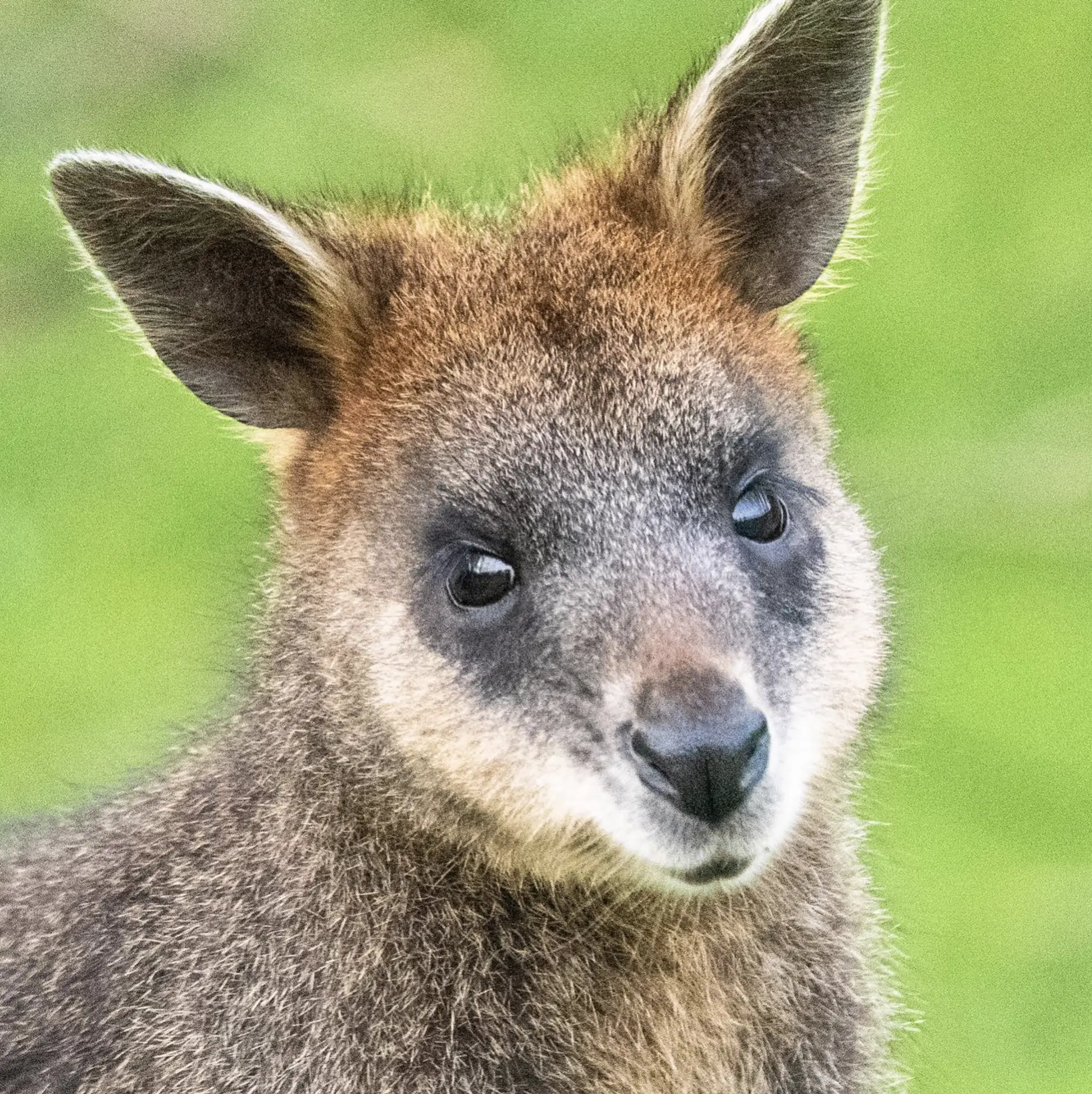
This vast territory is also home to unique reptiles like the pig-nosed turtle and snake-necked turtle, and mammals like the black wallaroo and the Rock Wallaby. The night air is full of nocturnal sounds, so you can see the park’s wildlife by observation and tracking.
Final Thoughts
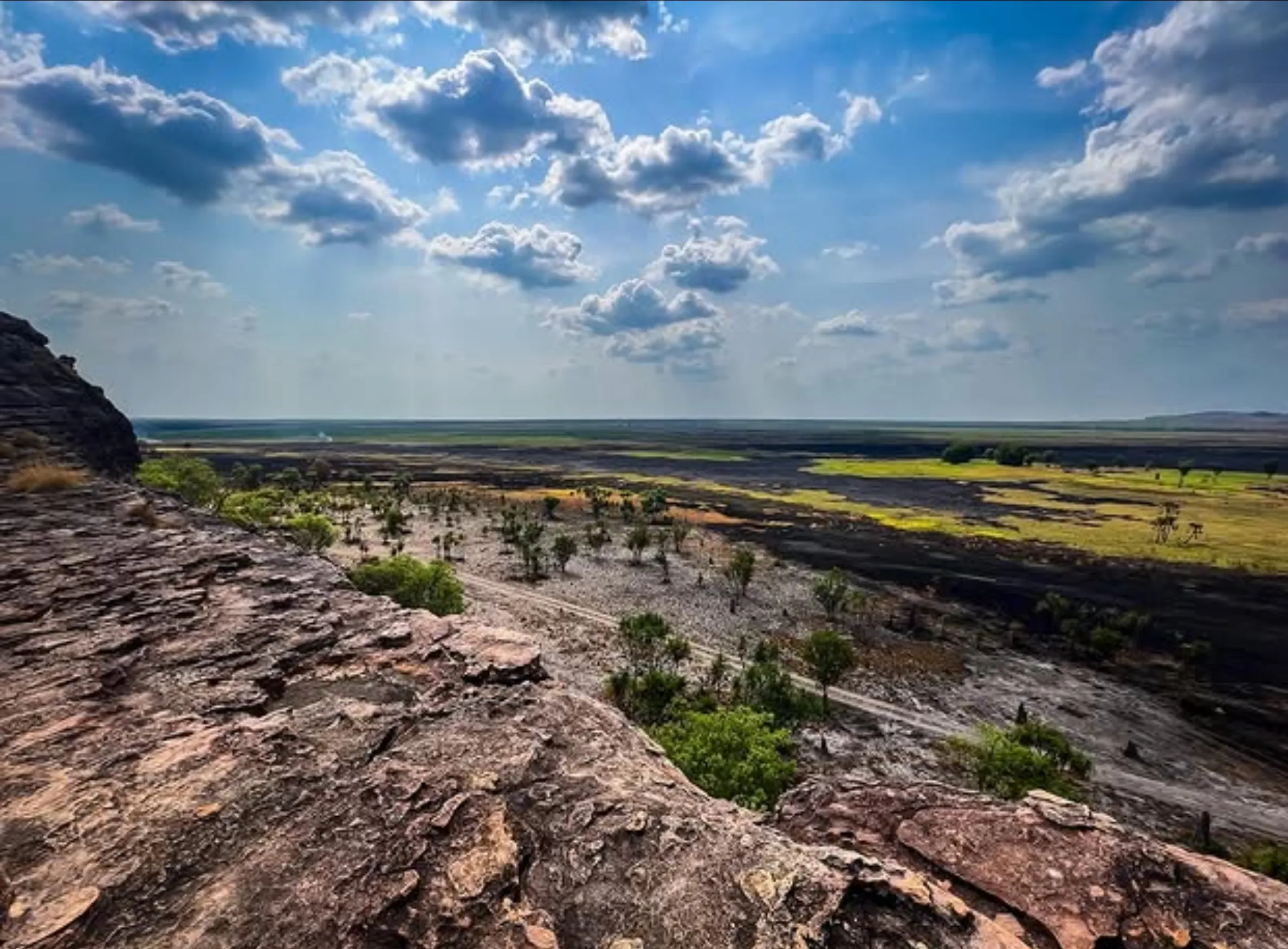
So, is Kakadu the biggest? Absolutely—and more. Its size isn’t just a fact. It’s the foundation of the park’s ecological integrity, cultural significance, and historic value.
From dry conditions to wet season hunting, from moist ground layers to scenic flight over floodplains, Kakadu is a place of extremes and harmony. It’s a living classroom, a sanctuary, and a sacred archive of animal life and human history.
Whether you’re self-driving or on Kakadu tours from Darwin, the size and beauty of this park will leave you in awe.
FAQ
How big is Kakadu National Park in square kilometres?
It’s approximately 19,804 square kilometres, the largest national park in Australia.
What wildlife is in Kakadu?
Kakadu has bird species, frog species, mammal species, Saltwater and Freshwater Crocodiles, and rare turtles like the pig-nosed turtle.
How is Aboriginal culture represented in Kakadu?
Through thousands of Aboriginal rock art sites, sacred places and ongoing traditional practices. Kakadu is an active cultural landscape with its Aboriginal population.
What makes Kakadu special?
Lowland forests, wetlands, alluvial soils, nutrient-rich areas and endemic plants are all supported by the region’s water and varied seasons.
Is Kakadu mined?
Yes, areas within and around Kakadu have been mined for mining booms and uranium, and there have been land claims and inquiries into land use and people’s influence.